Bankrupt at 25, Riding a Bike 15 Miles to Work: What Rock Bottom Taught Me About Decisions
I went bankrupt at 25 with about $80,000 in debt and a $20,000-a-year income, because I kept making decisions for the wrong reasons. Hitting bottom didn't fix me on its own. What changed things was finally deciding I wanted more and taking the next step, even a small one. Most of the hard lessons I use with business owners today started there.
People hear that I built a company from $500 to seven figures and assume I had it figured out early. I didn't.
At 25, I was bankrupt. And I want to tell you how I got there, because the pattern that put me there is the same one I see in business owners all the time.
How did I end up bankrupt at 25?
In my early twenties, I had good credit, and I used it. I took out personal loans and ran up credit cards to bridge one thing to the next.
The problem was that none of that borrowing was meant to grow anything. It wasn't an investment in a skill, a business or a way to earn more. It was just a way to keep going without changing anything.
I traded a car I loved for a bigger one because I thought that's what growing up looked like, and I was underwater on it the moment I drove it off the lot. I made decision after decision for the wrong reasons.
By the time I was waiting tables in Florida, I had around $60,000 in debt, plus the car, which brought it to about $80,000. I was making about $20,000 a year. In 2005, I filed for bankruptcy.
Five sessions. Real fixes. A clear next move.
One on one, within ten days. $500.
Start the Sprint$500. Full refund if the first session isn't for you.
What did rock bottom actually look like?
After the bankruptcy, I gave the car back and started over with nothing. I'd saved about $700, my parents matched it, and I bought a $1,200 car from a sketchy lot.
It lasted about 32 days. One night the catalytic converter blew, and when I finally got it into a shop, the engine timing was off too. The repair was going to cost $1,200, the same as I'd paid for the car. I sold it for scrap and walked away with about $10 in my pocket.
I had to work the next day, and the restaurant was 11 miles away. The only way across the river by bike added a few more miles, so it was closer to 15 miles each way.
So that's what I did. For about two and a half to three months, I rode a bicycle about 15 miles to work, waited tables, and rode 15 miles home.
Eventually a regular at the restaurant heard about my situation and lent me a 50cc scooter that topped out around 30 miles an hour. It cut my commute in half, and I was grateful for every mile of it.
That was rock bottom. I wasn't just sitting on the bottom. I was being dragged across it.
What changed?
One morning in March 2006, I woke up and knew I didn't want to wait tables anymore. It just hit me. There had to be more to life than the struggle I'd been pulling myself through.
So I put my resume on a job site, as weak as it was at the time. An insurance company called and offered me a commission-only sales job. I got licensed and worked there for about six months.
I didn't make much money, and my mindset hadn't changed yet. But it was worth leaving the restaurant, because it got me moving. Through that job I met someone who later told me about a mortgage company that was hiring, and walking through that door changed my life.
None of that would have happened if I'd stayed where I was, waiting for things to get better on their own.
Solo. Not Alone.
Software, creative support, and education to help service-based business owners turn interest into trust and bookings.
See Club SoloWhat does this have to do with running a business?
Looking back, the bankruptcy wasn't really about money. It was about how I made decisions.
I chose what felt good right now over what would actually move me forward. I borrowed to avoid change instead of to create it. And I kept making the same kinds of choices while expecting a different result.
I see that same pattern in business owners every day. They spend on tools, hires or marketing to make the discomfort go away, not to solve the real problem. They keep running the same playbook and wonder why the numbers don't move.
Rock bottom is just the most extreme version of a plateau. You can stay there a long time if you keep making decisions for the wrong reasons.
What did I learn that I still use today?
Ask what a decision is really for. Before you spend money or commit time, ask whether it moves you forward or just makes today feel easier. Those aren't the same thing.
Debt and spending aren't the problem. Purpose is. Borrowing to grow something can be smart. Borrowing to avoid changing anything never is.
Small steps still count. The insurance job wasn't the answer. It was the step that led to the next step. You don't need the perfect move, just the next one.
You have to decide you want more. Nothing changed for me until I woke up and decided I was done. That decision came before any of the results.
Rock bottom isn't the end of the story. It felt like the end at the time. It turned out to be the start of everything I built after.
Frequently asked questions
Can you start a successful business after bankruptcy?
Yes. I started my company with $500 years after going bankrupt and grew it to seven figures. Bankruptcy is a hard reset, not a permanent verdict.
What's the biggest financial mistake people make in their twenties?
In my experience, it's borrowing to keep a lifestyle going rather than to build something. Debt that doesn't create growth just delays the reckoning.
How do you get out of a rut when you feel stuck?
Decide you're done with where you are, then take one real step, even a small one. Momentum usually starts with an imperfect move, not a perfect plan.
If you're stuck and keep making the same moves, we'll find out why in the Next Level Sprint: five sessions, one on one, within ten days.
Start the Sprint$500. Full refund if the first session isn't for you.
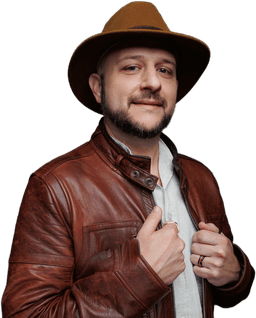
Dave Zaron has spent 16 years building the systems behind high-stakes launches, including the infrastructure for #TeamSeas, the $30M campaign led by MrBeast and Mark Rober. He helps service business owners who've hit a plateau see exactly what's keeping them stuck.
Keep reading
Shiny Object Syndrome in Business: Why Chasing Every New Idea Keeps You Stuck
New tool, new strategy, new headline, every week. Why chasing shiny objects keeps a service business from ever getting clear, and how to stop shaking the jar long enough to see what's actually working.
How to Tell If an AI Tool Is Worth It: Separate the Hype From Real Value
A competitor is using AI and everyone says you're falling behind. How to tell whether an AI tool is real value or just hype, using one simple question about the problem you actually have today.
Snapping at Your Team? Why Business Owner Burnout Usually Starts in the Body
Losing your temper with your team over small things? Why it's usually not a personality flaw, how your body, mind and mood are connected, and how business owners can fix the cause instead of beating themselves up.